
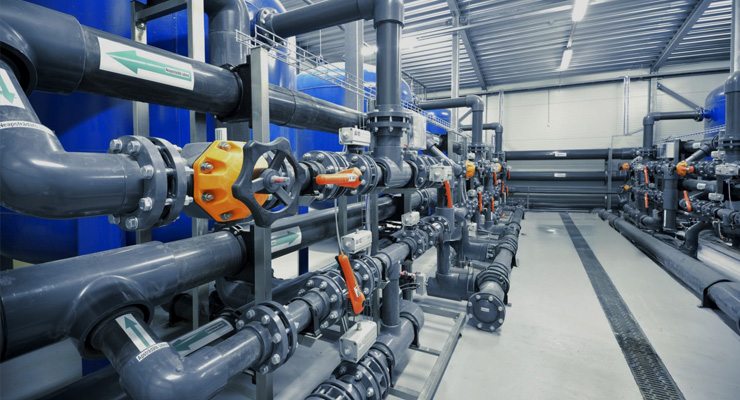
Hydraulic Design Essentials for Commercial Developments

Hydraulic services are the lifeblood of any commercial building — delivering potable water, managing wastewater, and handling trade waste from kitchens, laboratories, and industrial processes. Poor hydraulic design leads to pressure issues, backflow risks, and council rejection.
Potable water, sanitary drainage, and trade waste systems require careful coordination in large-scale commercial projects. Here's what project teams should plan for.
Key Design Considerations
Commercial hydraulic design must account for peak demand, future tenancy flexibility, backflow prevention, and council-specific trade waste requirements. Coordination with structural and fire services is essential to avoid penetrations conflicts and maintain fire compartmentation.
Trade Waste and Council Compliance
Many commercial developments — particularly food service, healthcare, and industrial facilities — require pre-treatment systems and trade waste agreements with local water authorities. Early engagement with hydraulic engineers ensures these requirements are integrated into the design rather than retrofitted at construction.
- Potable water reticulation and booster pump sizing
- Sanitary drainage and venting design
- Trade waste pre-treatment and grease trap systems
- Stormwater connection and on-site detention coordination
Michael Chen
Excellent breakdown of compliance pathways. This is exactly the kind of practical guidance our development team needed before DA submission.
Sarah Mitchell
Clear and actionable insights from the Ekror team. The early engagement point resonated strongly with our recent infrastructure project.
James O'Brien
Well written article. Would appreciate a follow-up on performance solution documentation requirements for certifiers.